The capital of surrealism
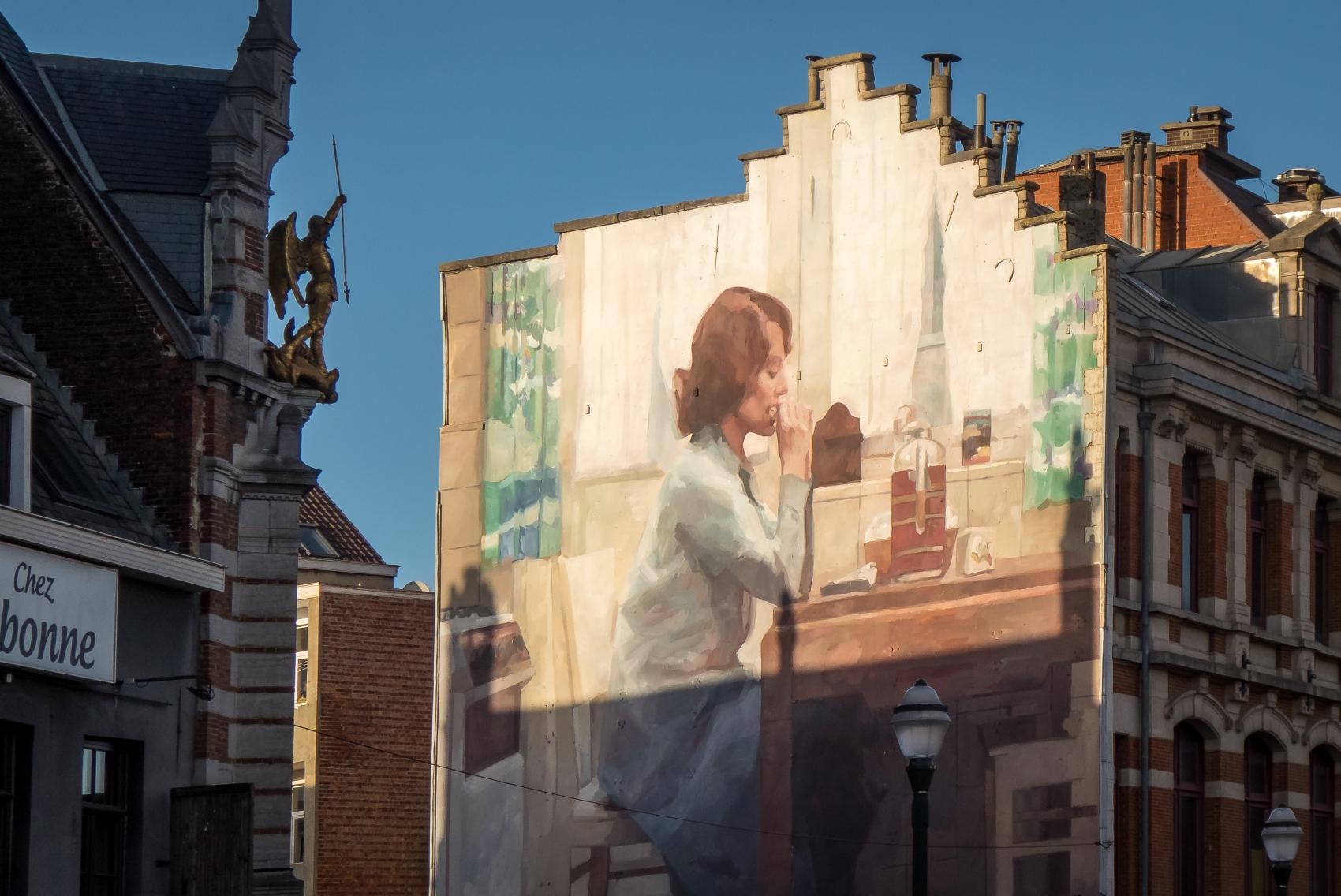
Brussels, where Romanic and Germanic cultures meet — blending, contrasting, colliding, and dissolving. This cultural, social, and political crossroad — or rather mayhem — creates the perfect soil for surrealism: the art form made famous by René Magritte, yet still palpable in contemporary daily life. Though Brussels is a relatively small-scale capital, it radiates a powerful international vibe. Officially bilingual (Dutch and French), it is home to speakers of more than a hundred languages.
The capital of eclectism
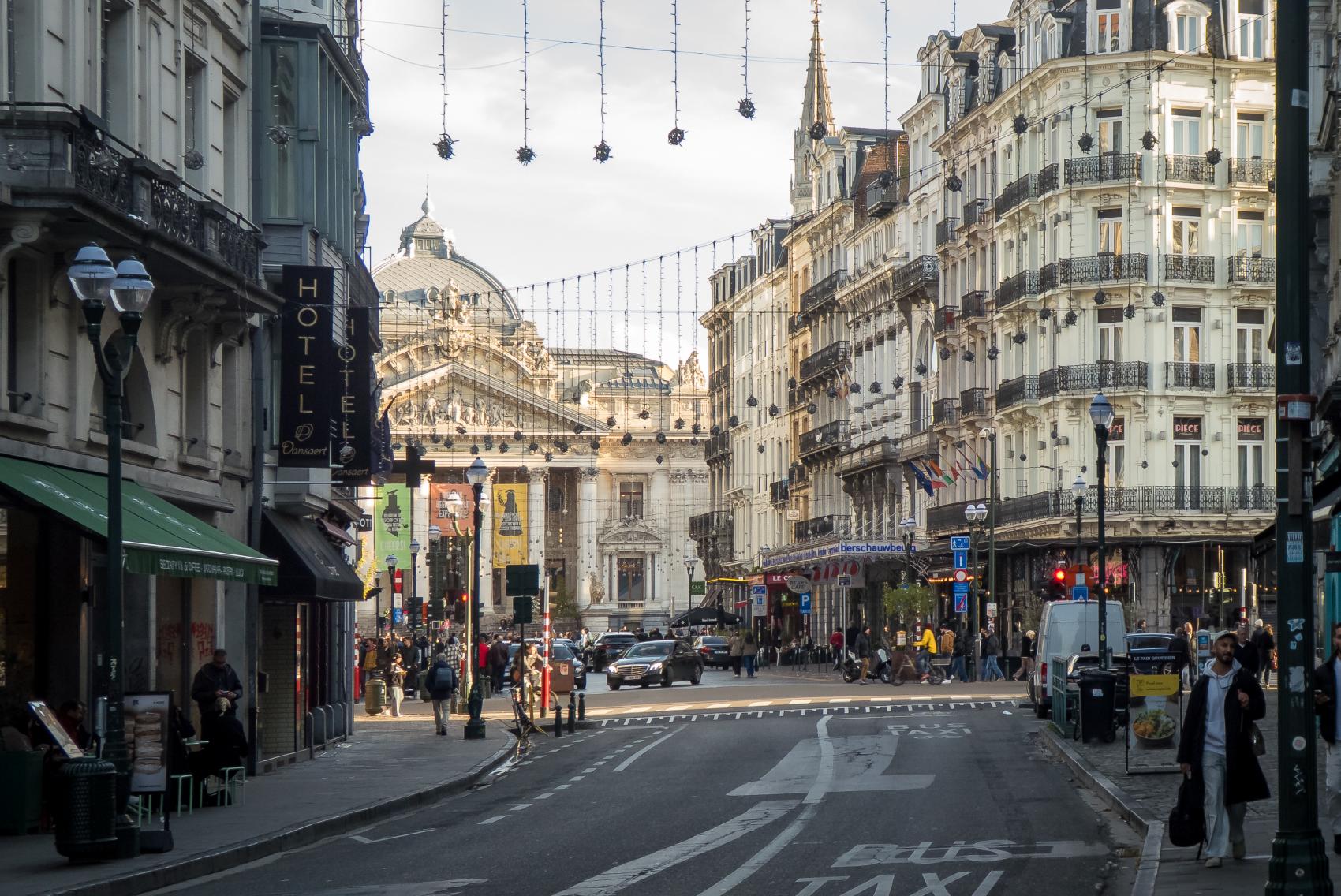
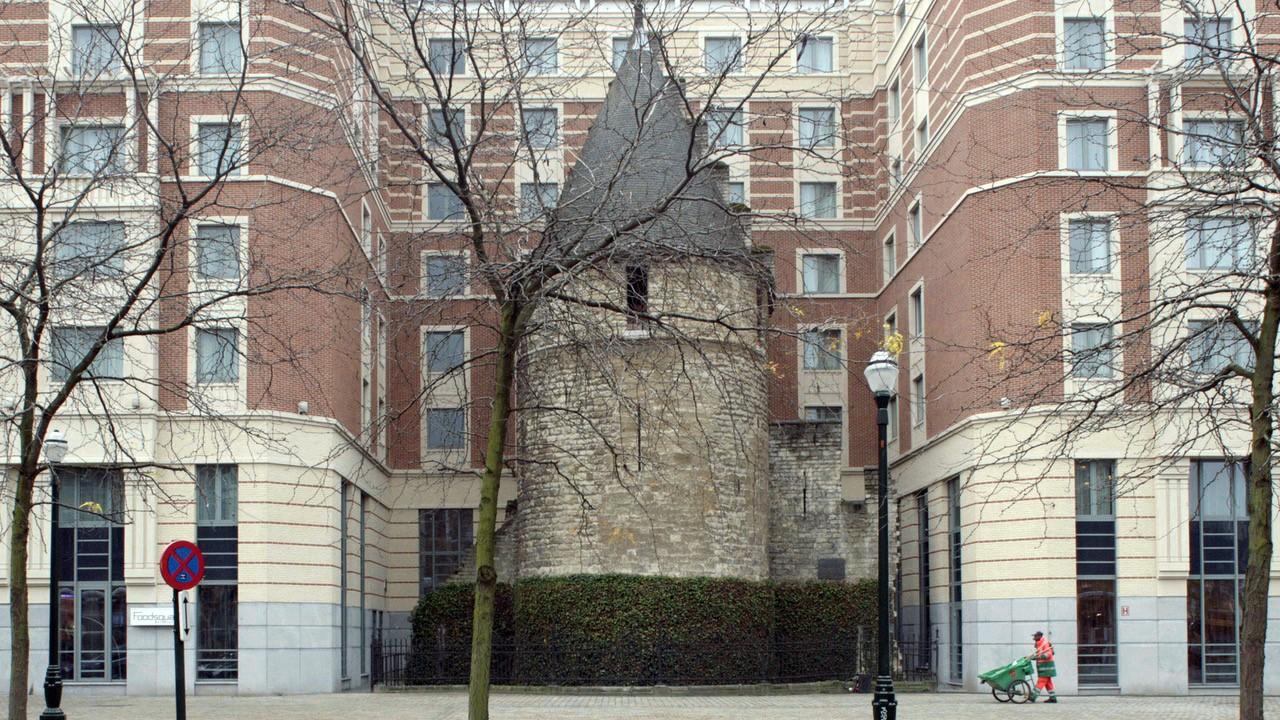
Brussels, mostly famous for Art Nouveau, boasts a varied cultural and architectural heritage, including Gothic, Classical, Neoclassical, Art Deco, and Brutalist styles. Due to a lack of respect for historic heritage, questionable real estate operations, and numerous “solutions” to accommodate cars, trains, and daily commuters, the city developed its chaotic and eclectic urban appearance.
Brussels, a city full of contrasts
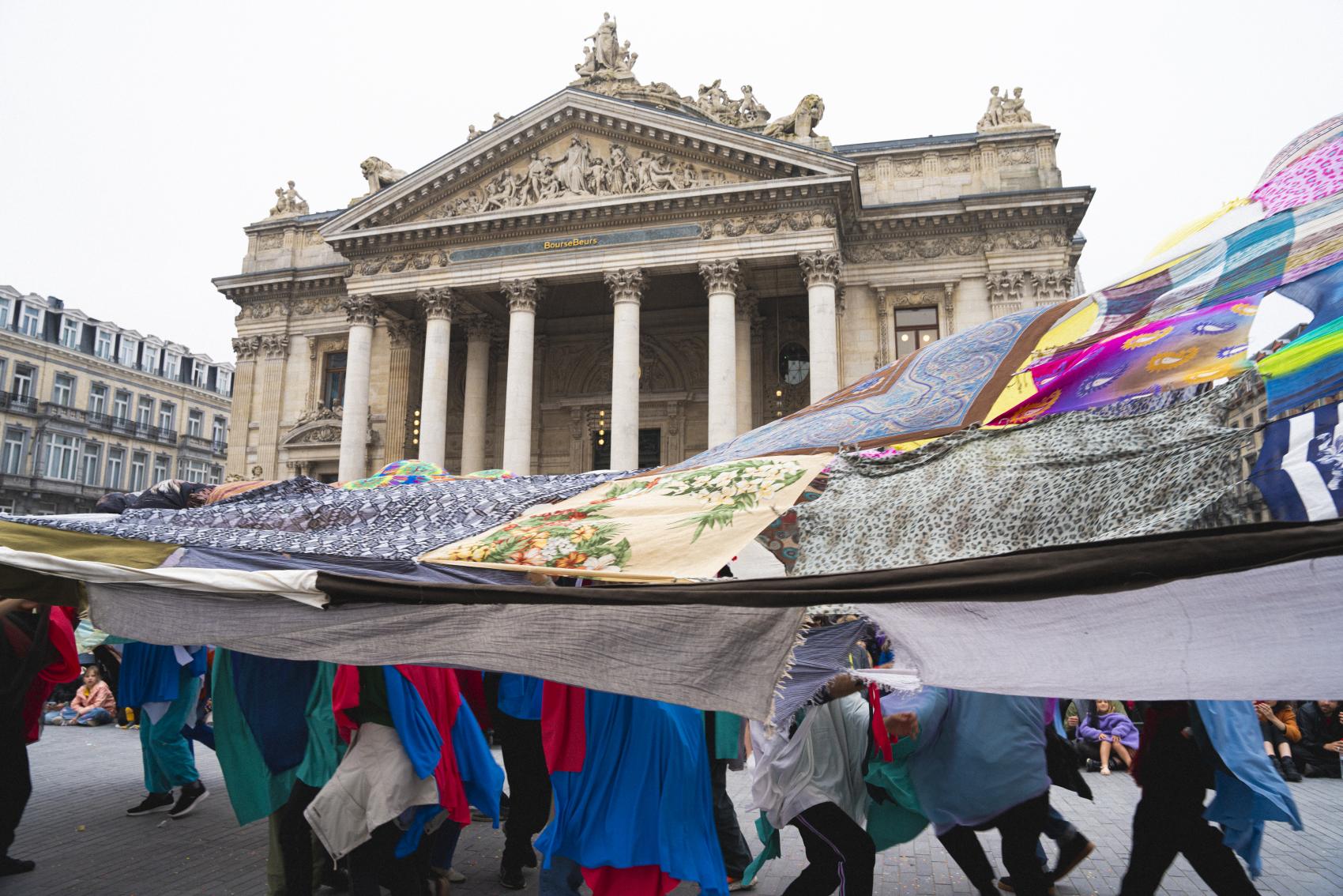
Its diversity is strongly reflected in its cultural landscape. Brussels is a hub for contemporary dance and performance arts, and hosts a wide variety of venues for fine arts, opera, music, arthouse cinemas and a film museum.
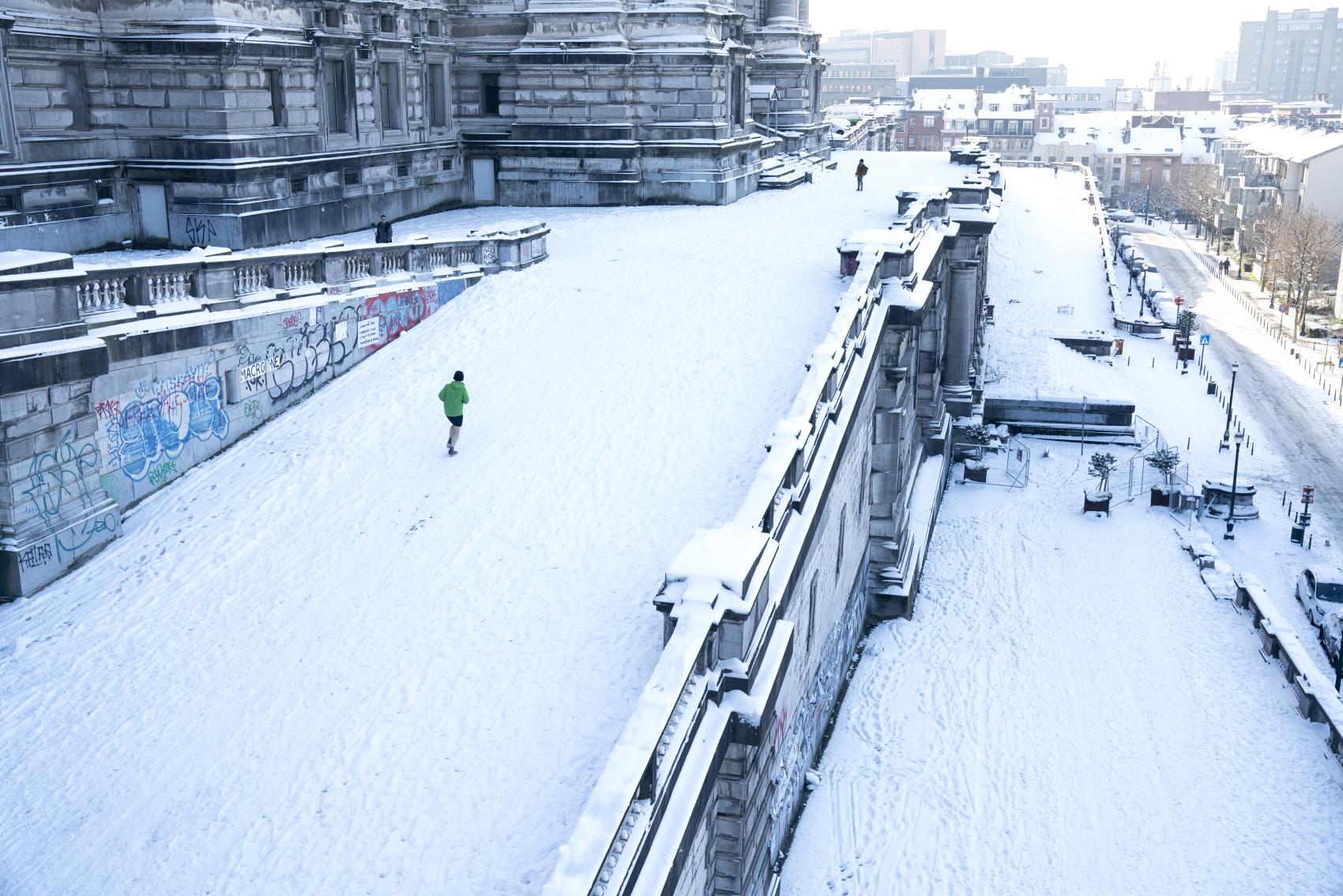
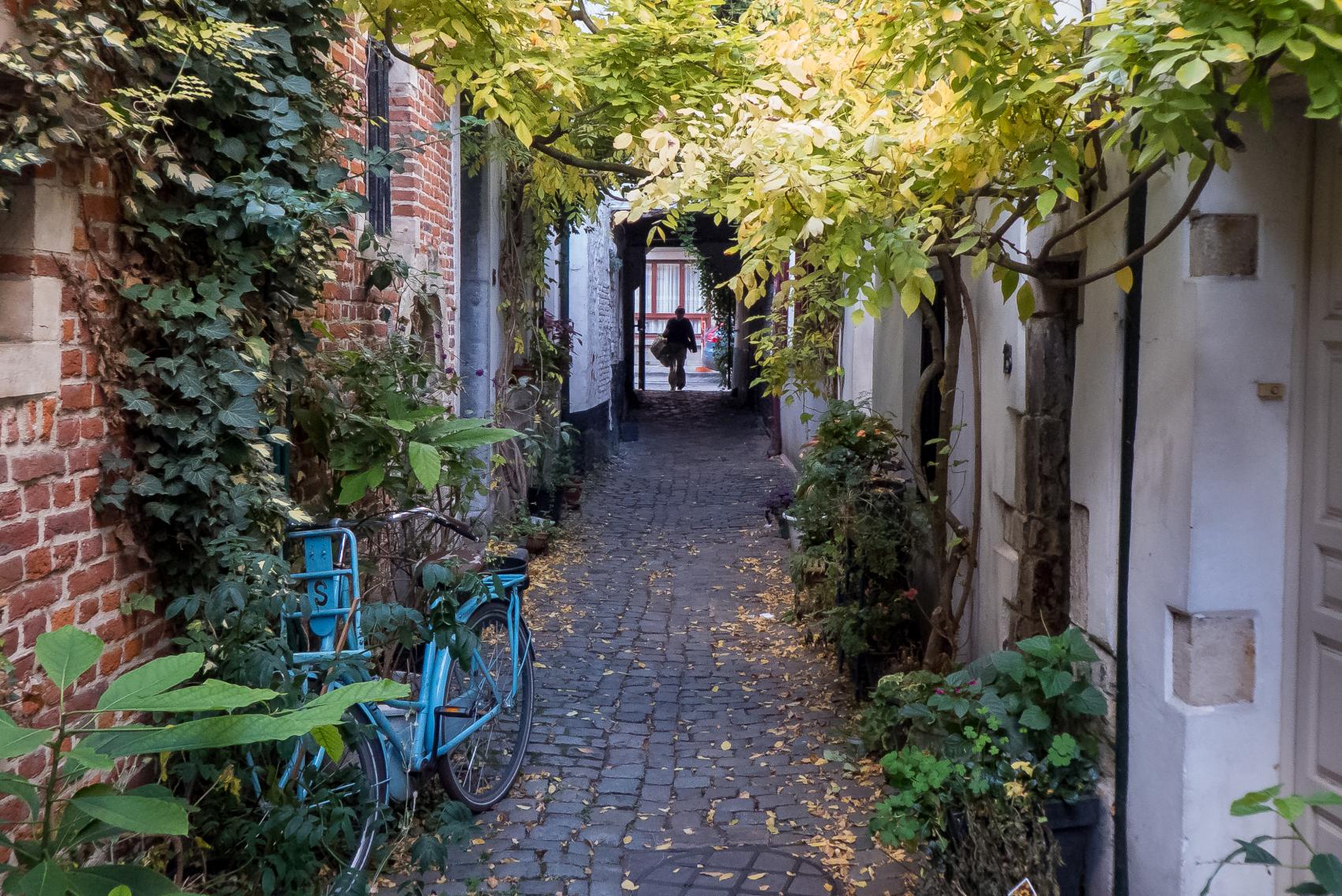
Brussels is full of secrets and hidden gems. It wears a different face at every moment, always ready to surprise its curious residents.